How Sunflower Processing Shapes Ukraine's Modern Agricultural Sector
12/08/2026
Sunflower remains one of the key oilseed crops in Ukraine’s agricultural sector. Its cultivation and processing create an entire production chain, from agricultural operations and seed procurement to the production of sunflower oil, feed ingredients, and alternative fuel. A comprehensive approach to using raw materials helps increase processing efficiency and create products for different sectors of the economy.
The production cycle begins with sunflower cultivation and harvesting. For agricultural producers, stable yields, seed quality, proper storage, and efficient logistics remain essential. After harvesting, sunflower seeds need to be delivered to storage facilities or processing plants in a timely manner, as the way raw materials are handled can affect the quality of the final products.
The modern agricultural sector is increasingly focused not only on growing crops but also on creating added value throughout the production chain. Sunflower seed processing is a clear example of this approach. A single crop can become the basis for several commercial products, each with its own applications and requirements for quality, transportation, and supply.
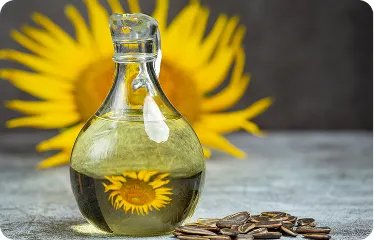
Sunflower oil is the main product of processing. It is used in the food industry and, depending on its specifications, may also be supplied for industrial applications. For wholesale buyers, not only product quality but also the ability to arrange deliveries in the required format is important. Sunflower oil can be shipped in bulk by tanker truck, rail tank car, or flexitank, allowing a suitable logistics solution to be selected according to order volume and destination.
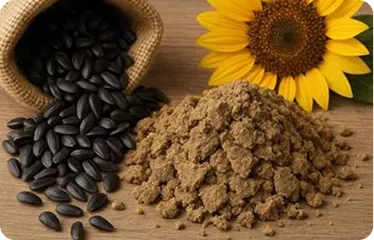
Another important area is the use of sunflower processing products in the feed industry. High-protein sunflower meal is used as feed raw material and as an ingredient in compound feed production. Its plant protein content makes the product relevant for companies involved in animal nutrition and feed manufacturing.
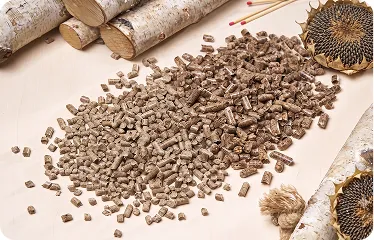
Efficient processing also involves the rational use of different components of the raw material. Sunflower husk can be used to produce fuel pellets. These pellets are suitable for heating, industrial boiler houses, and other biofuel applications. As a result, sunflower processing can create several product streams with different commercial purposes.
For Ukraine’s agricultural sector, stable cooperation between raw material producers, storage facilities, processors, and buyers of finished products is particularly important. Every part of this chain affects the overall efficiency of the process. Well-organised logistics, production capacity, and the ability to ship large volumes allow companies to work with wholesale customers and develop long-term business partnerships.
Sunflower seed storage also plays an important role. After harvesting, producers may need not only to sell their raw materials immediately but also to store them temporarily. Efficient storage, receiving, and subsequent shipment processes help agricultural businesses plan crop handling and logistics more flexibly.
Today, the competitiveness of agricultural companies depends on more than one factor. Raw material quality, stable production, control of technological processes, wholesale supply capabilities, and flexible shipping options are all important. This is why agricultural processing continues to play a significant role in the development of Ukraine’s agricultural sector.
The comprehensive use of sunflower seeds makes it possible to produce sunflower oil, high-protein sunflower meal, and fuel pellets from sunflower husk. This approach demonstrates how modern production can combine agricultural raw materials, industrial processing, and products for the food, feed, and energy sectors.
For INTER OLIYA LLC, sunflower processing is the foundation of its production activities. The company works in the production and wholesale supply of sunflower-based products, combining raw material processing with the organisation of finished product shipments. The development of such production models remains an important part of Ukraine’s modern agro-industrial complex.